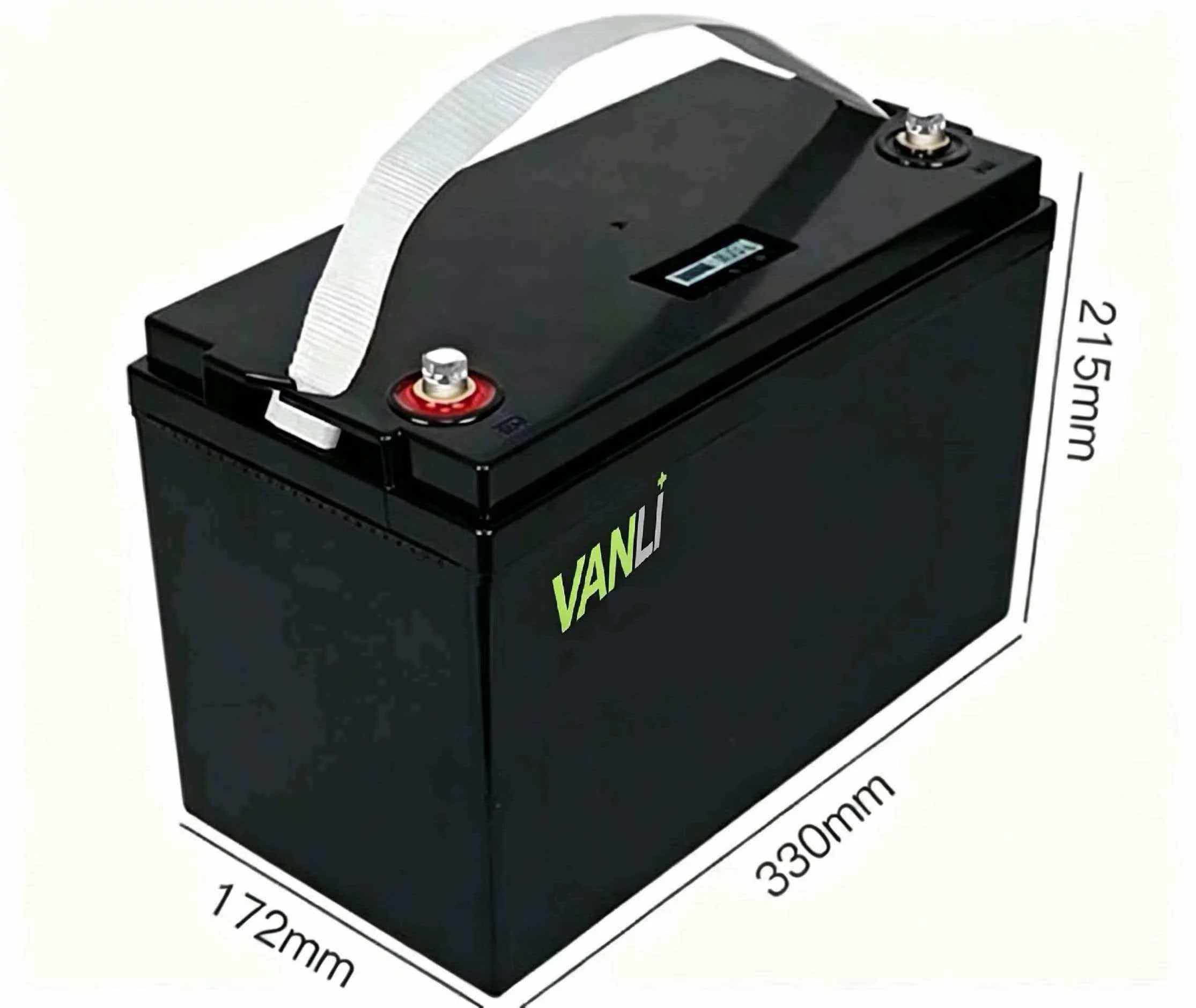
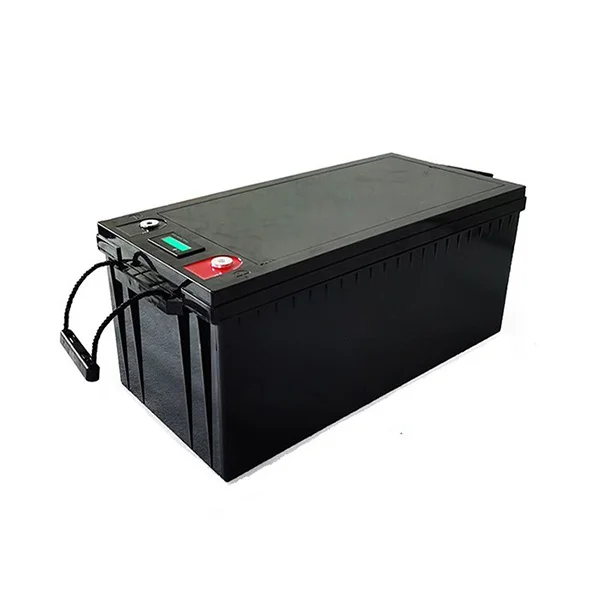
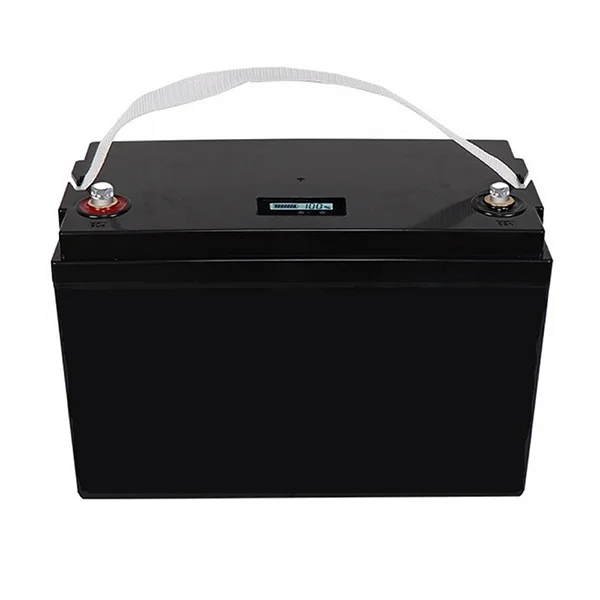
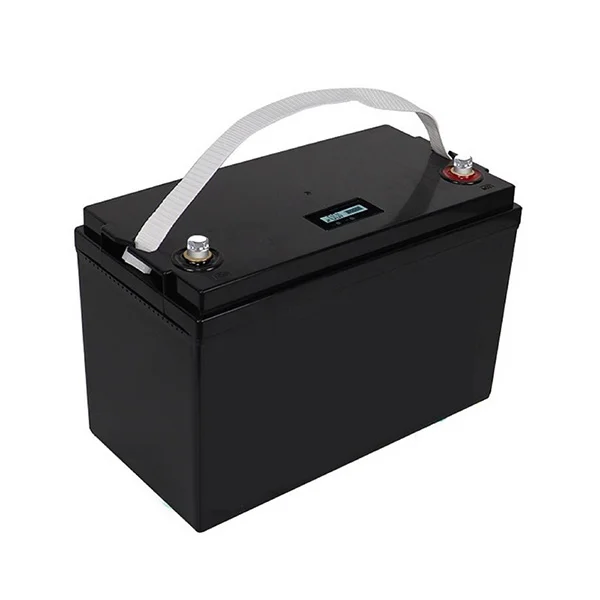
1. What Golf Cart Batteries Are
The average voltage of a golf cart battery is 36 volts or 48 volts, with current ranging between 50–70 amps when cruising at about 15 miles per hour. Keep in mind that the current is much higher during acceleration or hill climbing. To prevent you from getting stranded, golf cart batteries must provide high current steadily over a long period. In addition, golf cart batteries usually go through a full charge and discharge cycle every day. Draining the batteries below 50% is hard on them and typically results in reduced lifespan and degraded performance.
2. Benefits of Golf Cart Batteries
1. Longer service life
Golf cart batteries usually last longer than traditional lead-acid batteries. With proper care and maintenance, lithium batteries can last 8–12 years, while lead-acid batteries typically last 3–5 years. This extended lifespan can save costs over time.
2. Higher energy density
Golf cart batteries have higher energy density, which means they can store more energy in a smaller and lighter package. This can improve performance, increase driving range, and reduce the weight of the golf cart.
3. Faster charging
Compared with lead-acid batteries, golf cart batteries charge faster. This can shorten charging time, reduce downtime, and get you back on the golf course sooner.
4. Maintenance-free operation
Unlike lead-acid batteries that require regular maintenance, such as checking electrolyte levels and cleaning terminals, golf cart batteries are generally maintenance-free. This can save time and effort on battery upkeep.
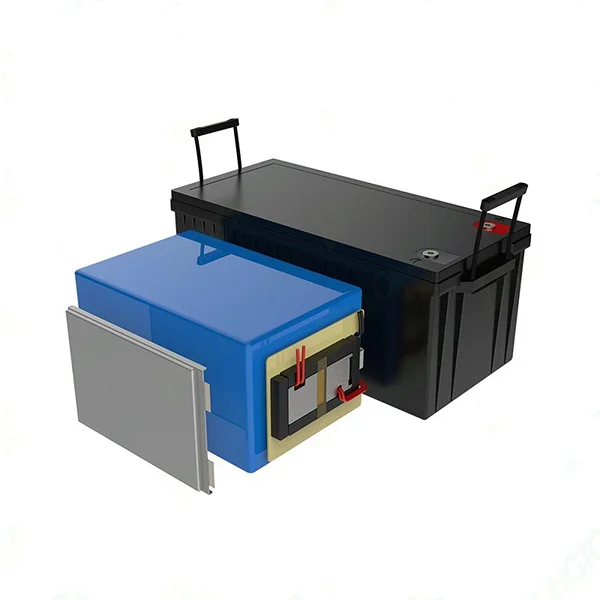
3. Components of Golf Cart Batteries
1. Battery case
The outer shell of a forklift battery case contains all the individual battery cells, bars, and wires that generate and/or transmit power for the forklift while the battery is in use. Battery case designs may vary by manufacturer (as well as by forklift battery capacity). Generally speaking, the condition of the external battery case will not have a major impact on battery performance unless it is cracked or severely dented. Cracks can expose the battery cells to damage (or indicate points where impact may already have damaged the cells). If dents are severe enough, they can interfere with the forklift battery’s ability to fit properly in the forklift.
2. Battery cells
Inside the forklift battery case, there will be a series of individual battery cells. The number of battery cells will vary depending on the capacity of the forklift battery—higher-capacity batteries tend to have more cells.
3. Battery bars
Battery bars are the large lead pieces that connect all the individual battery cells—creating a complete circuit so that each cell in the forklift battery experiences an even load during use. When performing battery maintenance, it is useful to inspect the battery bars for cracks or other signs of damage. If the battery bars are cracked, the electrical load on individual cells may become uneven—resulting in reduced operating time for the electric forklift and increased damage to certain battery cells.
4. Battery cables
Battery cables for different forklift battery types can vary greatly in size. However, higher-capacity forklift batteries tend to have heavier cables. When inspecting forklift battery cables, be sure to check the condition of the insulation to ensure there are no splits or tears. The connectors should also be checked for signs of corrosion or wear, as this can affect the battery’s conductivity.