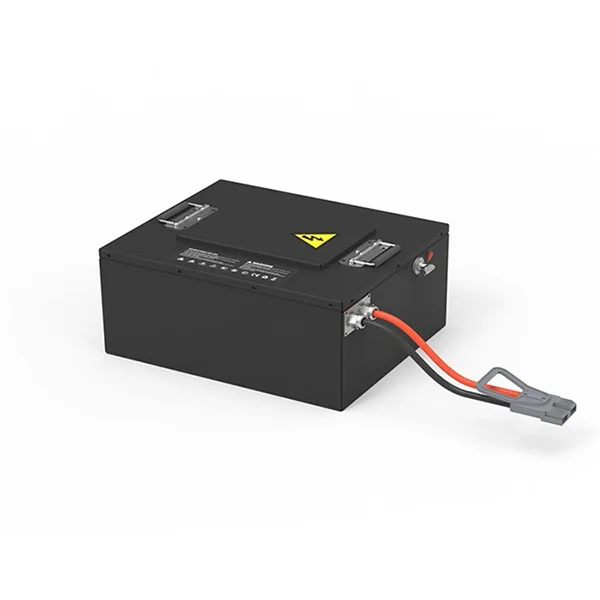
1. What Are RV Batteries
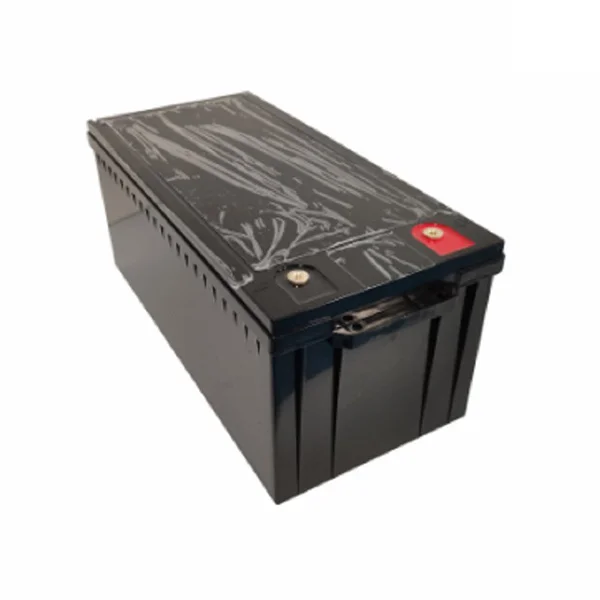
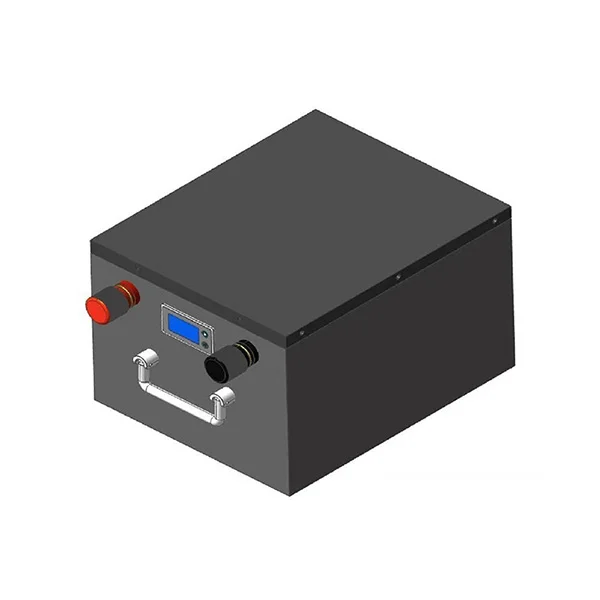
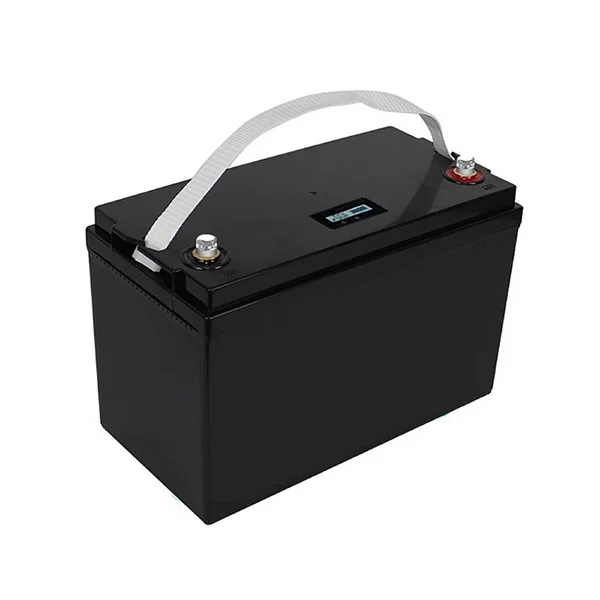
RV batteries are an important power source for all electrical systems inside a recreational vehicle (RV). These RV batteries ensure that everything from lighting to appliances operates seamlessly during travel. In a motorized RV, you will typically find two types of batteries: the starting battery (chassis battery) and the RV battery (RV deep-cycle battery), which serve different functions in the RV. The starting battery helps start the engine and powers the vehicle while it is driving, while the deep-cycle RV battery powers appliances and systems when the RV is not connected to shore power. These RV deep-cycle batteries are specifically designed to provide steady power over a longer period of time.
2. Advantages of RV Batteries
1. Longer battery life cycle
Lithium-ion batteries last longer than other types of RV batteries because they do not degrade as quickly as lead-acid batteries or nickel-cadmium batteries. This means you do not need to replace the battery as frequently as you would with other types of recreational vehicle batteries, such as deep-cycle AGM and gel deep-cycle RV batteries. The lifespan of a lithium battery is about three times that of these types of primary deep-cycle RV batteries, allowing you to save on replacement costs over time. For example, a lithium battery may last up to 10 years before needing replacement, while other types of batteries may only last about 3–4 years.
2. More energy stored in the battery
Another advantage of using lithium batteries is that they retain energy better than other types of batteries. This means you get more power from each charge, which helps you accomplish more with your vehicle. You do not need to worry about running out of power while driving, because your lithium RV battery will provide all the power you need for any journey.
3. Low maintenance
Compared with traditional lead-acid batteries, lithium RV batteries require almost no maintenance. Most lithium-ion batteries have very little sulfation buildup, which means they do not require equalization charging and preventive maintenance like lead-acid batteries do. They also rarely need topping off like traditional RV batteries.
4. Lighter battery weight
Lithium-ion batteries are much lighter than other types of batteries, including lead-acid batteries, AGM batteries, and gel batteries. This makes them easier to transport, especially when you are moving the RV from one place to another. It also reduces stress on the vehicle’s engine when you are driving on steep slopes or towing heavy loads.
5. Consistent voltage and easier charging
Lithium batteries have very stable voltage, even when fully charged or fully discharged. This means you can store your RV in a storage facility without worrying about the battery being damaged when the engine is turned off. You also do not need to worry about the battery being overcharged during long-term storage. Unlike traditional lead-acid batteries, lithium batteries can be charged quickly with little risk of damage. This makes charging much faster than with traditional RV batteries.
6. Lower long-term cost
One of the biggest advantages of lithium RV batteries is that they last longer than traditional lead-acid batteries. Because they have a longer lifespan, they require less maintenance and fewer replacement costs over the life cycle of the battery system. For example, if you spend $1,200 on a lithium battery, you likely will not need another battery until about 10 years later, when it begins to lose capacity and no longer holds enough energy as it once did.
3. Types of RV Batteries
1. Gel batteries
If you are looking for an option with lower maintenance requirements, you may consider gel batteries. Instead of using water, these batteries are filled with a thick gel that will not spill or evaporate, which means they never need to be refilled. Unfortunately, these batteries are just as heavy as flooded batteries and are also more expensive, which means they may not be the best choice for everyone.
2. AGM batteries
The interesting thing about the final type of lead-acid battery, the AGM battery, is that the liquid inside the battery is absorbed into fiberglass mats, which means there is no free-flowing liquid to worry about. This allows users to install the battery in various positions. In addition, the liquid never needs to be replenished. These batteries are more expensive than flooded batteries and gel batteries, and they are quite heavy, so they do have disadvantages.
3. Lithium batteries
Lithium RV batteries are an excellent alternative to traditional RV batteries. Many campers who convert their RVs to solar power upgrade to lithium batteries. Although lithium batteries are expensive, they have many advantages over other types of batteries. They are lighter, smaller, and do not require the cumbersome maintenance that other types of batteries do. (For example, wet-cell batteries require checking and replenishing electrolyte levels, while lithium batteries can be set up and then forgotten.)
4. Performance Characteristics of RV Batteries
1. High energy density
RV batteries have high energy density, which means they can store more electrical energy per unit of volume or weight. This means that under the same volume or weight, lithium batteries can provide longer usage time and supply stable and reliable power for the RV.
2. Efficient charging
RV batteries have faster charging speeds and can be fully charged in a shorter amount of time. This is especially important when traveling in an RV, because continuous charging is needed to ensure the sustained operation of the power system.
3. Long cycle life
RV batteries have a relatively long cycle life and can withstand many charge and discharge cycles while maintaining high performance. This gives lithium batteries a longer service life in RV electrical systems and reduces the frequency and cost of battery replacement.
4. No memory effect
RV batteries have no memory effect, which means the battery will not lose capacity because it was not fully discharged. RV owners do not need to worry about battery capacity loss caused by incomplete discharge.