1. What Is an Energy Storage System
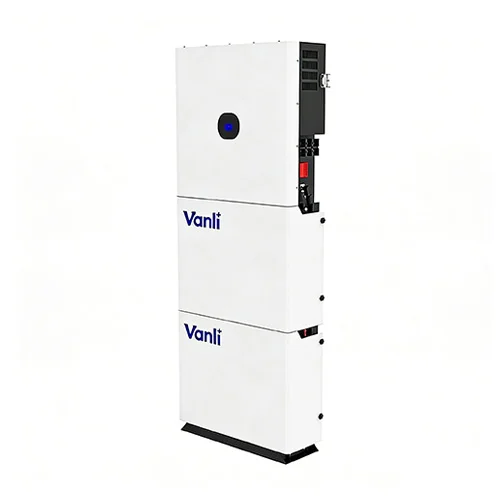
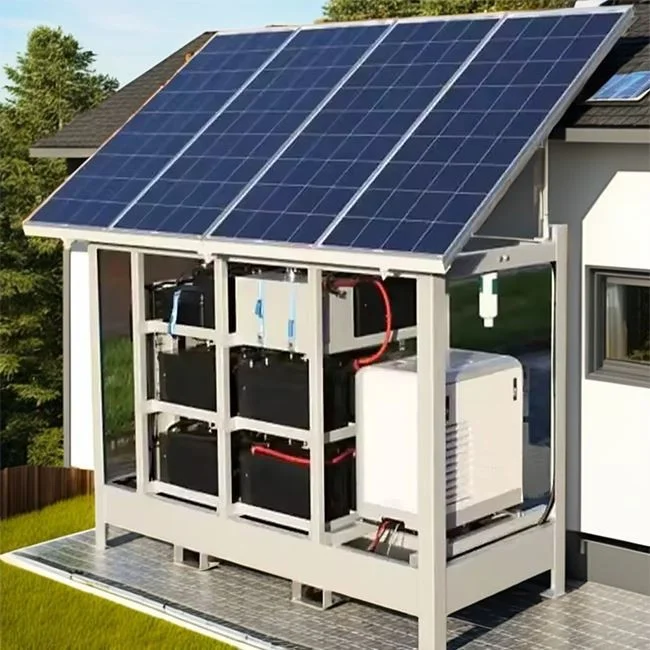
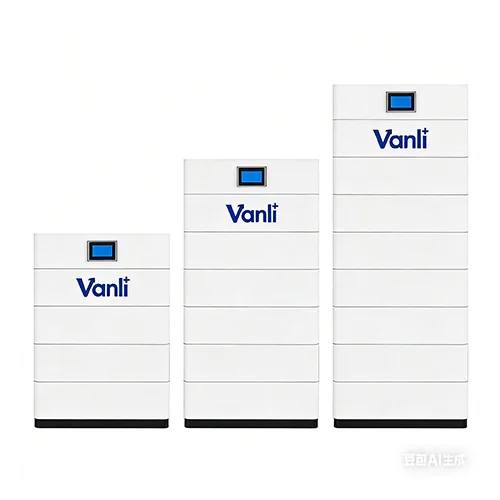
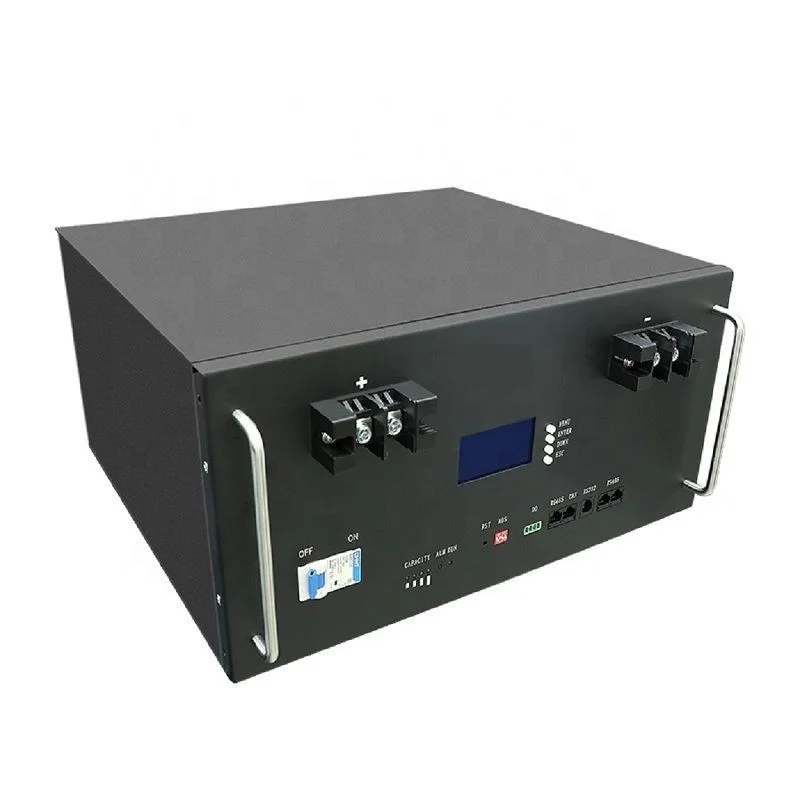
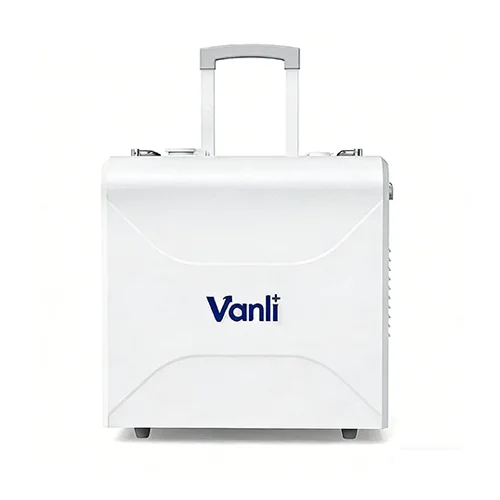
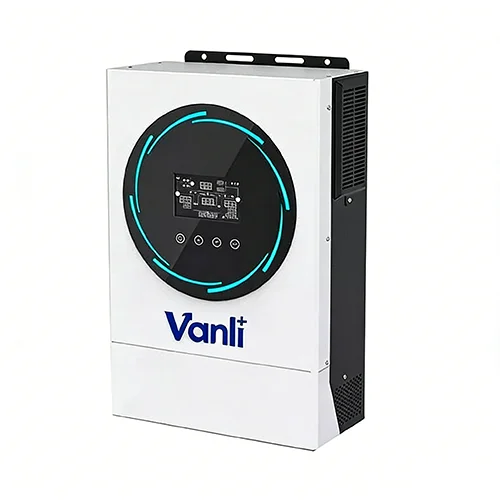
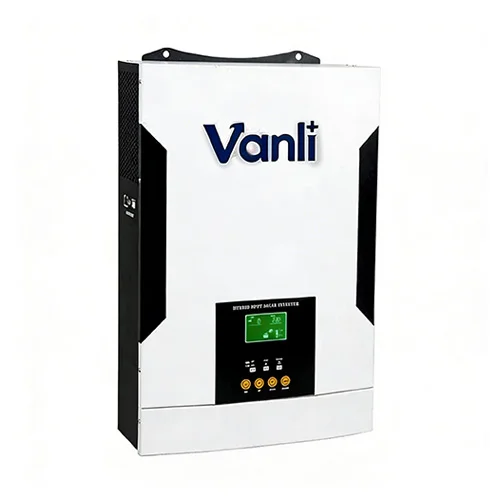
An energy storage system is a technological device that stores energy generated from various sources for later use. These systems are designed to capture surplus energy during periods of low demand or high production, and efficiently store it for later use during peak demand or low production periods. Energy storage systems play a critical role in enhancing the stability, reliability, and flexibility of the power grid by providing a buffer that balances energy supply and demand. They can store energy in various forms, such as electrical, mechanical, chemical, or thermal energy, and release it when needed. These systems enable better integration of renewable energy, improve grid resilience, and support the efficient use of energy resources.
2. Advantages of Energy Storage Systems
1. Reduce Peak Demand
One significant advantage of energy storage systems is their ability to reduce peak demand on the power grid. During periods of high electricity use, such as hot summer days or evenings when people return home from work, electricity demand can surge. Energy storage systems can provide additional power during these peak times, easing pressure on the grid and reducing the need for costly infrastructure upgrades.
2. Improve Grid Reliability
Energy storage systems contribute to grid reliability by providing backup power during outages or grid failures. In the event of a disruption to the main power supply, such as natural disasters or equipment failures, energy storage systems can provide a reliable and immediate power supply, ensuring that critical services remain operational.
3. Integrate Renewable Energy
Renewable energy sources such as solar and wind are inherently intermittent, depending on factors like weather conditions and time of day. Energy storage systems play a vital role in integrating these renewable sources into the grid by storing excess energy when generation exceeds demand and releasing it during shortages. This capability helps maintain a stable power supply and increases the penetration of renewable energy in the overall energy mix.
4. Reduce Power Outages
Energy storage systems can also help mitigate power outages by providing local backup power. In areas with frequent outages or in remote regions where access to the grid is limited, energy storage systems can serve as a reliable and independent power source, improving quality of life and supporting essential services.